
When you read a dissertation that “just works,” you might not notice what makes it feel polished; it isn’t just beautiful language or expert insights. It is alignment. Alignment means all parts of your dissertation, from the problem statement to your research questions to the methodology and findings, are pulling in the same direction. When alignment is strong, the dissertation doesn’t feel like a jigsaw puzzle; it feels like a coherent journey.
Many students focus on the visible parts: formatting, headings, citation style. These are surface consistency, important, yes, but shallow. What often gets missed is intellectual alignment: that the literature review really sets up the gap your research will fill; that your methods can answer the questions you ask; that your findings tie back to what you said you would accomplish. When those deeper alignments aren’t there, even excellent pieces of research feel disjointed, or worse, their conclusions are undermined by methodological or conceptual mismatches.
Scholarly writing and research-guidance literature repeatedly emphasize this. For example, Silvia (2007) pointed out that misaligned research questions and literature review often make proposals unfocused and rambling. Similarly, discussions about dissertation components stress that when the theoretical framework, purpose statement, problem statement, and methodology are not in sync, the credibility and scholarly rigor suffer. Beyond credibility, strong alignment shapes clarity for your reader. It allows them to follow your argument without constantly having to backtrack and wonder how one section relates to another. It strengthens your voice as a researcher: you seem intentional rather than scattered. Also, it enhances the impact of your research: aligned studies tend to make clearer contributions because you avoid loose ends, questions left unanswered, methods misused, or conclusions overclaimed.
So, as you prepare your dissertation, think of alignment as something alive, not static. It’s not just a checklist you tick once. It’s something you build, revisit, test, and perhaps adjust. Later in this post, I’ll show you a tool, an Alignment Chain Map, that helps you see all the major moving parts of your dissertation and how they must fit together. But first, it helps to understand what happens when alignment is missing, and why many scholars argue that alignment is what elevates a good dissertation into a great one.
1. Unmasking Surface-Level Consistency: The Illusion of Alignment

It’s easy for a dissertation to look polished on the outside while its core logic is weak. For example, you may see formatted headings that echo each other chapter after chapter, or repeated keywords that suggest a connection even when there is none. You might get a literature review that lists many studies, but never actually shows why those studies matter or where the gap is. You could also have research questions that seem reasonable at face value, yet cannot be answered with the data your quantitative or qualitative methodology will produce. This kind of alignment is superficial: the pieces are present, but they don’t work together in a way that makes your argument strong (Ocholla, 2022).
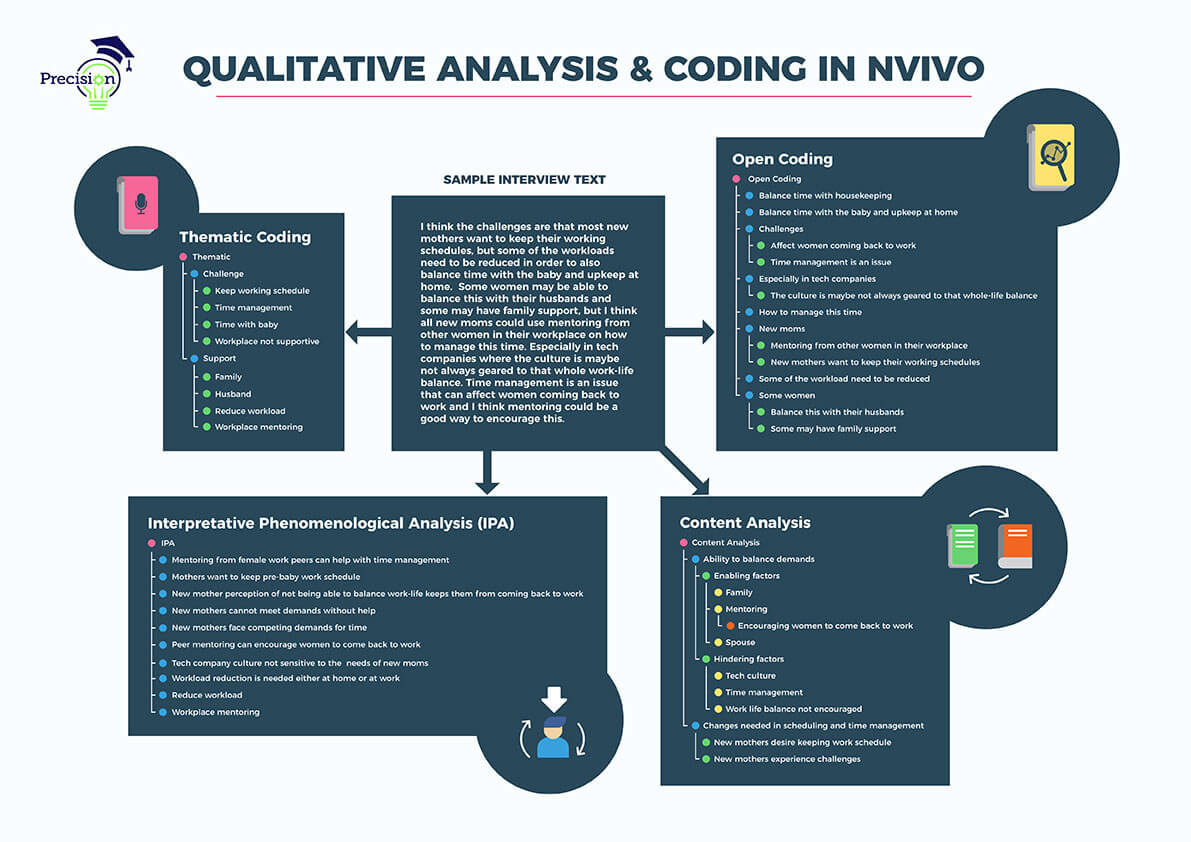
Why is this trap so seductive?
Students and supervisors are often under pressure to deliver something that looks correct. Institutional templates, formatting rules, and committee expectations all push toward neatness. Because things like properly formatted citations or visually clean chapters are easier to fix, many people attend to them first. Yet, these cosmetic fixes don’t address whether the theoretical framework actually informs the methodology, or whether the purpose statement is grounded in what the literature shows. The danger is that you do what is visible well, but leave hidden cracks in the logical flow.
How reviewers (and you) notice the gap
Even if a draft passes your own reading, external reviewers often pick up what you may not see. They might ask: “Does your literature review lead to these specific research questions?” or “Can the methods you’ve chosen really yield the kind of answers you want?” If there is a mismatch, like asking “why” questions but using purely descriptive methods, those flags go up immediately. Also, when findings are interpreted in ways the data doesn’t support, or when conclusions drift beyond what the qualitative or quantitative research methodology justifies, the misalignment becomes more obvious. Reviewers expect coherence: the problem framed early on should mirror what is investigated; methodology should respond directly to that; and findings should circle back and speak to the claims made.
Real consequences, not just annoyance
Misalignment isn’t just an academic annoyance; it has serious costs. For one, you might find during proposal defense or IRB ethics review that your design doesn’t match your questions, causing delays or rejections. For another, during data collection or quantitative or qualitative analysis, you may collect data that doesn’t help you answer your research questions, meaning wasted effort or needing to collect more data. At worst, your conclusions may be undermined because they rest on shaky footing, leading to critiques or even rejection of the dissertation. Beyond that, misalignment harms credibility: you risk being perceived as someone who didn’t think through the logic of their work.
Quick diagnostic you can use today
Here are three plain but powerful questions to ask yourself right now:
- If I answered my research questions perfectly, would my methods actually allow those answers?
- In each major claim or theme in my findings, can I trace back to both a research question and a methodological procedure?
- Does the literature review not just list what has been done, but explain why this particular study is needed, what gap it fills, and how?
If you pause or hesitate at any of these, it’s a sign you might only have surface consistency, not true alignment. Doing this kind of diagnostic can help you catch misalignment before it forces a large rewrite.
Small fixes vs. structural fixes
Some alignment problems are minor: a paragraph here, a reworded research question there, or clearer transitions between chapters. But others run deeper. Structural misalignment means you may need to revisit your problem statement, rethink your methodology, or even reshape your theoretical framework so that all pieces fit together. Cosmetic fixes, polishing prose, formatting, and matching titles are useful, but they won’t make up for a methodology that doesn’t address your research questions or for conclusions that overreach. In the next section, we’ll treat the dissertation like an architectural system. We’ll introduce a tool called the Alignment Chain Map to help you see all the major links (problem → purpose → research questions → methodology → findings) so you can spot where cosmetic fixes won’t suffice and where stronger structural repair is needed.
2. The Architecture of True Alignment: Seeing the Dissertation as a System

Think of your dissertation like a building. If the foundation, beams, and wiring don’t line up, no amount of paint will make the place safe. That’s the point of seeing the dissertation as a system: every part depends on the others. Design writers and methodologists stress that research design components interact and must be planned together, not one after the other.
Introducing the Alignment Chain Map
To make that system visible, use an Alignment Chain Map. The map lays out the main links so you can check each connection. A simple chain looks like this: Problem statement → Purpose statement → Research questions or hypotheses → Theoretical framework → Methodology → Data collection → Analysis → Findings → Conclusions & implications. By mapping these pieces in order, you can spot weak links before they become big problems.
Why must the links be more than similar words?
Matching words across chapters is not enough. What matters is that each link can actually lead to the next one in intellectual terms. For example, a stated research question must be answerable by the methodology you choose. Methodologists show that design choices determine what kinds of inferences you can legitimately make from your data.
How to read the map as a set of dependencies
Read the chain both forwards and backwards. Forward reads show how your problem gives rise to questions and methods. Backward reads force you to ask: “If I had these results, would they answer my original problem?” Doing both checks reveals gaps you’d miss if you only polished language or fixed headings.
Aligned versus misaligned
Aligned example (clear fit): You want to understand how teachers make sense of a new curriculum (problem). You set a purpose to explore those meanings, use a phenomenological approach, interview teachers, and analyze for themes. Everything flows: questions ask about meaning, method gets meaning, analysis produces themes that answer the questions. That alignment makes claims believable and useful.
Misaligned example (mismatched fit): You ask why a program reduces dropout rates (a causal question). But you only use a single cross-sectional survey and descriptive statistics. That method can describe patterns, but can’t establish a cause, so your chain breaks at the method. Reviewers will flag that gap because your conclusions overclaim what your design can support.
Practical steps to build the architecture now
Start by drawing the chain on one page. Write one sentence for each link that explains how it leads to the next. Test each link with a blunt question: “Can this method actually produce the answer my question needs?” If not, fix the question or change the method. Use pilot work, advisor feedback, or a short memo explaining the fit; these are quick ways to test whether the system is sound before you collect lots of data.
Seeing your dissertation as an engineered system changes how you work. It shifts the task from making chapters look right to making them work together. In the next section, we’ll move from the structural map to the lived experience of coherence, how to turn linked pieces into a readable, convincing narrative that carries the reader from start to finish. That’s where theory, story, and chapter flow become your tools for intellectual clarity.
3. From Fragmented Ideas to Flow: Cultivating Intellectual Coherence

The role of philosophical assumptions and theoretical frameworks
If you skip over your assumptions, ontology, epistemology, axiology, or treat them as an afterthought, the rest of your dissertation can drift. These philosophical underpinnings are what shape “who you believe you are studying,” “what counts as knowledge,” and “how you believe knowledge is best gathered.” When that foundation matches your theoretical framework and methodology, your study feels coherent; when it doesn’t, you’ll notice jarring shifts, like going from “what is real” to “how I collected data” without a bridge. Studies show that many dissertations leave the philosophical assumptions implicit or vague, and this reduces clarity for both writer and reader (Zukauskas et al., 2018)
Creating conceptual threads through literature review and theory
You want your literature review to do more than show what’s already known; it should lead the reader toward your gap, your question. That means organizing sources not by author name or chronology alone, but by theme, by tension, by what scholars agree on and where the arguments diverge. As you introduce theory, pull in those same threads: use the debates your lit review uncovered to show why the theory matters, and then use theory to sharpen your methods. Research on literature review best practices emphasizes “logical structure, identification of key themes, coherence and synthesis” as essential steps, not just collecting sources but arranging them so that each source points forward to your research purpose.
The narrative flow: more than chapters in order
Flow isn’t just about putting chapters in the “correct” sequence. It’s about how you move from one idea to the next, making transitions, linking methods back to theory, findings back to purpose. When you read qualitative research reports, for example, one study found narrative flow was stronger when authors repeated a pattern: state a subtheme, provide context, quote, interpret, then connect back. When that structure is consistent, the reader feels carried along; when it drops, the reader stutters. This kind of coherence is vital: it helps readers follow your logic, understand your contributions, and trust your claims.
How to bridge fragments: practical techniques
Here are some small but powerful moves you can make: always start chapters with reminders of the central question or purpose; use “signposts” (phrases like “as a result,” “next,” “however”) to guide someone from one part to another; be ruthless in removing sections or paragraphs that drift away from your core focus. Another technique: after drafting, read backwards, from conclusion to introduction, to see whether the connections still hold. Also involve someone else (supervisor or peer) and ask them if the arguments feel logical or choppy; often, they can spot places where coherence breaks. These moves don’t just clean up prose; they repair the connective tissue that makes a dissertation feel like one piece.
Now that you see how philosophical assumptions, literature-theory linkage, and narrative flow help you turn scattershot ideas into a coherent story, we’re ready to zoom out and diagnose misalignment more precisely. In the next section, we’ll shift from building coherence to identifying red flags, those moments in research where the logical fit snaps or frays. We’ll look at common misalignment pitfalls and corrective moves, so you can catch trouble early and steer back to alignment before it’s too late.
4. Diagnosing Misalignment: Red Flags and Corrective Moves

Diagnosing misalignment early saves you hours later. If you spot problems while planning, you can change course before data collection or deep analysis. If you wait until your results are written up, fixes are costly and sometimes impossible. Good diagnosis treats alignment like a living thing: you check it often and adjust as you go.
Red flags to watch for right now
If you learn to spot a few recurring signals, you’ll catch trouble quickly. Below are the common red flags readers and reviewers notice first:
- Research questions that don’t match the methods. If you ask “why” or “how causal” questions but use purely descriptive tools, your method can’t deliver the kinds of answers you promise. This mismatch is one of the most frequent and most fixable errors. A literature review that lists studies but never argues a gap. When the lit review doesn’t build toward your problem, your purpose looks tacked on. Readers then wonder why this study exists at all.
- Findings that don’t answer the research questions. Sometimes the data are interesting but not relevant. If your themes or statistics don’t map back to your questions, you’ve got loose ends. Conclusions that overreach the data. Watch for language that claims causality from correlational data, or that generalizes beyond your sample. That’s a credibility-killer.
- Scope that’s too broad or vague. A topic that tries to do everything often ends up doing nothing well. Narrow the focus so each method can realistically answer a clear question.
Quick diagnostics and a short audit you can run today
You don’t need a committee meeting to run a quick alignment check. Spend 20 to 30 minutes with your draft and ask simple, direct questions. Read the problem statement, then the research questions, then the methods. Ask: “If I got ideal data from these methods, would those data answer the questions and speak to the problem?” If the honest answer is “no” or “maybe,” you have work to do. Try these quick checks as you scan each chapter:
- Can each major claim in the findings be traced to a research question and a described method?
- Does the literature review lead logically to the research question (not just summarize prior work)?
- Would changing one element (question, method, or theory) force you to change the others?
If you hesitate on any of those, mark the spot and make a fix plan before you collect more data.
Corrective moves: small fixes and reliable tools
Some problems are cosmetic and easy to fix. Others are structural and need more work. Here are practical moves that work in most cases.
- Tighten or rephrase research questions. Make them specific and answerable. Small wording changes often restore fit between the question and method. Use a pilot study. Pilots expose procedural problems and show whether your data collection instruments actually collect the data you need. Running a small pilot can prevent a full-scale mismatch later.
- Triangulate where possible. Add a second method, source, or perspective to cover weaknesses in a single approach. Triangulation improves credibility and often repairs gaps in inference. Rework the literature review around themes and tensions. Use the review to show why your question matters, not just what others did. That makes the purpose feel inevitable.
- Write a one-page chain map or memo. Map problem → purpose → questions → method → expected results. If a link looks strained, fix it on the map before rewriting chapters. Get focused feedback fast. Ask your supervisor or a peer to read just the problem and methods and tell you whether the fit is clear. Fresh eyes spot assumptions you missed.
When to stop patching and rebuild
Not every patch will do. Sometimes the fit is broken enough that incremental edits won’t restore coherence. That’s a painful but honest recognition. If your methods fundamentally can’t answer your refined questions, you face two choices: reframe the questions to match the method, or redesign the study (which may affect IRB, timelines, or funding). Be realistic about time and stakes, and talk openly with your committee before major rework. These decisions are common in doctoral work, and planning them carefully prevents wasted effort.
Diagnosing and fixing misalignment is partly technical. It’s also personal. You’ll need patience, curiosity, and the willingness to change your own ideas. In the next section, we’ll look at that human side. We’ll talk about alignment as an ongoing practice, the habits, feedback loops, and mindset that keep your dissertation coherent from first draft to final defense. Expect practical rituals for staying aligned, and concise strategies to handle frustration when a link breaks.
5. The Researcher’s Mindset: Alignment as an Ongoing Practice

Treat alignment like a habit you keep, not a box you tick once. A dissertation is living work: you draft, test, tweak, and repeat. Methodologists note that research design is interactive; the parts shape one another as you progress, so alignment must be checked repeatedly. That means building small checks into your workflow so you catch misfits early.
Make reflection a regular part of your work
Reflection is one of the simplest tools for staying aligned. Donald Schön described how professionals think in action: they reflect on what happened, decide what to change, and try again. Keep a short research journal or a weekly “alignment memo” where you note one sentence about the main problem, one sentence about your current methods, and one sentence on whether they still match. These short notes make it easier to spot slow drift before it becomes a structural problem.
Treat revision as learning, adopt a growth mindset
When you see misalignment, don’t treat it as failure. Researchers who adopt a growth mindset treat revision as part of learning and improving. That attitude makes it easier to change questions, adjust methods, or re-frame claims without taking it personally. Seeing critique as information, not judgment, speeds repairs and strengthens your argument.
Practical rhythms and rituals that keep alignment alive
Routines reduce the friction of checking fit. Paul Silvia’s practical dissertation writing advice shows that scheduling short, regular writing blocks helps you make steady progress and avoid panic-driven fixes later. Use small, repeatable practices that force you to touch your chain map and main claims every week. Here are a few simple, practical moves you can start today:
- Daily 30-minute writing or checking slot. Even a short, focused period keeps momentum and surfaces small alignment issues.
- Weekly alignment check. Spend 20 minutes reviewing your one-page chain map: problem → questions → methods → expected findings.
- Monthly pilot or quick test. Run a tiny test or re-analyze a small subset of data to see whether your methods give the kinds of answers you expect.
- One-page memo after analysis sessions. After each major analysis day, write one page summarizing how findings map back to questions.
- Simple version control. Keep dated drafts and brief notes on what changed and why. This helps you track when a drift starts.
These habits are small but compound. They help you catch weak links early, so you don’t have to rebuild whole chapters later.
Build fast, kind feedback loops
Feedback is the fuel for ongoing alignment, but the right kind of feedback matters. Recent reviews of PhD supervision show that structured, dialogic feedback improves how students correct course and refine arguments. Ask for focused, short feedback: one question you want answered or one paragraph you want checked for fit. Peer writing groups, short supervisory checkpoints, and brief annotated drafts work better than long, infrequent reviews. These fast loops keep the work moving and reduce the emotional load of massive rewrites.
Attend to the emotional work: curiosity, humility, and patience
Keeping alignment is also emotional work. You’ll face confusion, dead ends, and the urge to defend early ideas. Respond with curiosity instead of defense: ask “What can this problem teach me?” rather than “Who’s right?” Humility lets you change course without shame; patience helps you accept slow progress. Celebrate small wins, a clarified question, a successful pilot, a useful piece of feedback, and use them as fuel for the next iteration. This emotional practice makes the technical work of alignment possible and sustainable.
If you treat alignment as a habit, with reflection, small rituals, fast feedback, and the right mindset, your dissertation becomes easier to manage. The final section pulls these threads together. It’ll remind you how to keep the Alignment Chain Map at the center of your process, give a short checklist for a final pass before defense, and end with a practical call to action: small, steady habits win over last-minute fixes. Read on to finish strong.
6. Conclusion

Think of alignment as the difference between a house that looks finished and a house that’s actually safe to live in. When your problem, questions, theory, methods, and claims all point the same way, your dissertation does more than pass a defense; it persuades, teaches, and lasts. This is not just rhetorical: scholars who study design and curriculum argue that alignment is a foundational principle for coherent scholarly work.
Strong alignment is the heartbeat of a powerful dissertation. When your problem, research questions, theory, and methodology flow in one direction, your work becomes not only persuasive but enduring. At Precision Consulting, we understand that achieving this kind of intellectual and structural harmony can be overwhelming. That’s why our dissertation help and dissertation assistance services exist: to guide you in aligning every section of your study, ensuring that your argument feels intentional and complete. Whether you’re stuck refining your research design or struggling to make your findings connect back to your problem statement, our team provides targeted strategies to help your dissertation stand out with academic precision and clarity.
If you’ve reached the stage where clarity and cohesion feel just out of reach, a dissertation coach from Precision can make all the difference. Our experts in dissertation consulting specialize in creating bridges between your methodology and research questions, particularly for complex qualitative research and qualitative analysis. We don’t just edit, we mentor. Through one-on-one coaching and practical alignment tools, we help you see how every component of your work fits together. The goal is not only to help you complete your dissertation, but to ensure it represents your best scholarly thinking and earns the recognition it deserves.
Don’t let your hard work fall short due to misalignment or lack of structure. Take the next step with our dissertation services, from a full dissertation help service to specialized help with dissertation chapters, we’re here to support you from proposal to final defense. Contact Precision Consulting today to start your journey toward a dissertation that doesn’t just pass but persuades, teaches, and lasts. With expert guidance and structured alignment strategies, you’ll turn your ideas into a cohesive, credible, and truly outstanding scholarly contribution.
References
Bearman, M., Tai, J., Henderson, M., Esterhazy, R., Mahoney, P., & Molloy, E. (2024). Enhancing feedback practices within PhD supervision: a qualitative framework synthesis of the literature. Assessment & Evaluation in Higher Education.
Biggs, J. (1996). Enhancing teaching through constructive alignment. Higher Education, 32(1), 1–18.
Busetto, L., Wick, W., Gumbinger, C. (2020). How to use and assess qualitative research methods. Neurological Research and Practice.
Dweck, C. S. (2019). Mindsets: A View From Two Eras. Perspectives on Psychological Science. (Overview of growth-mindset research).
Enago Academy. (2016). Why Is It Important to Maintain Consistency in Academic Writing? Retrieved from Enago.
Malmqvist, J. (2019). Conducting the Pilot Study: A Neglected Part of the Research Process. SAGE Journals.
Maxwell, J. A. (2013). Qualitative Research Design: An Interactive Approach (3rd ed.). SAGE Publications.
Mohd Yusri, I., & Hazlami, J. (2023). “10 Effective Steps to Write Good Literature Review for an Academic Dissertation.” Multidisciplinary Reviews, 7(1).
Ocholla, D. Ng’ong’ (2022). A Research Dashboard for Aligning Research Components in Research Proposal, Theses and Dissertations in Library and Information Science.
Schön, D. A. (1983). The Reflective Practitioner: How Professionals Think in Action. Basic Books / Routledge.
Shreffler, J. (2023). Common Pitfalls in the Research Process. StatPearls.
Silvia, P. J. (2007). How to Write a Lot: A Practical Guide to Productive Academic Writing. American Psychological Association.
Valencia, M. M. A. (2022). Principles, Scope, and Limitations of the Methodological. PMC (National Library of Medicine).
Zukauskas, P., Vveinhardt, J., & Andriukaitiene, R. (2018). Philosophical Assumptions in Communication Qualitative Research: A Scoping Review. EJSRT, 26(2).